Moving can be one of life’s most stressful events, filled with endless checklists, packing boxes, and logistical challenges. Amidst all this, ensuring a smooth transition out of your current rental property is paramount. A crucial step often overlooked is providing your landlord with timely and correct notice of your intent to vacate. For many tenants, understanding the specifics of a “20 day notice to landlord template” can make all the difference in avoiding penalties and securing the return of their security deposit.
This article will guide you through the intricacies of preparing and submitting your official notice. We will explore why proper communication with your landlord is vital, delve into the key components of an effective notice letter, and provide a comprehensive 20 day notice to landlord template you can adapt for your specific situation. By the end, you will be equipped with the knowledge and tools to confidently manage your move-out process, ensuring a seamless experience for both you and your landlord.
Understanding Your Lease Agreement and Notice Requirements
Before you even consider writing a lease termination letter, the first step is always to consult your existing rental agreement. Every lease is a legally binding contract that outlines the terms and conditions of your tenancy, including the notice period required when you decide to move out. While 20 days is a common standard in many month-to-month tenancies, your specific lease might stipulate a different duration, such as 30 or 60 days.
Ignoring these terms can lead to serious financial repercussions. If you fail to provide the required notice, you could be held responsible for additional rent, even after you’ve moved out. This is why a thorough review of your rental agreement is essential to confirm the exact notice period and any other clauses related to vacating the property.
Why Proper Notice Is Essential for Tenants
Submitting a proper tenant notice of intent to vacate is more than just a courtesy; it’s a critical step that protects your financial interests. When you provide timely notice, you establish a clear record of your move-out plans, which helps prevent disputes with your landlord down the line. It ensures you fulfill your contractual obligations under the lease.
Furthermore, proper notice is often a prerequisite for the full return of your security deposit. Landlords need adequate time to find a new tenant and prepare the property for re-rental. Failing to give sufficient notice might give them grounds to withhold a portion of your deposit for lost rent or administrative costs. A clear 20 day notice to landlord template helps safeguard your funds.
State and Local Laws on Rental Agreements and Notice Periods
Beyond your specific lease, state and local laws often dictate minimum notice periods for ending a tenancy. These laws are designed to protect both tenants and landlords, ensuring fairness in the rental market. Even if your lease specifies a certain notice period, local regulations might override or supplement these terms, especially in month-to-month arrangements.
For instance, some jurisdictions require a minimum 20-day notice for month-to-month leases, while others might mandate 30 days or more. It is always wise to check your state’s landlord-tenant laws or consult with a local housing authority to ensure your notice complies with all applicable legal requirements. Understanding these rules is key to a smooth departure.
Crafting Your Notice to Landlord Template
Once you’ve confirmed your required notice period, the next step is to draft your formal notice letter. This document serves as your official communication to the landlord, informing them of your intention to move out and the exact date you will be vacating the property. A well-written notice minimizes ambiguity and provides a clear record for both parties.
Using a structured approach, like adapting a “20 day notice to landlord template,” ensures that all necessary information is included. This reduces the chance of oversight and provides a professional impression. Remember, this letter is a legal document, so accuracy and clarity are paramount in its preparation.
Key Elements of an Effective Notice Letter
A comprehensive notice to vacate should include several essential pieces of information to be legally effective. Missing any of these details could potentially invalidate your notice or lead to complications. Here are the crucial components you must include:
- Your Name and Current Address: Clearly state who the notice is coming from and the property address you are vacating.
- Landlord’s Name and Address: Ensure the notice is addressed correctly to your landlord or property management company.
- Date of Notice: The date you are writing and sending the notice is critical for calculating the notice period.
- Clear Statement of Intent to Vacate: Explicitly state that you are terminating your tenancy.
- Specific Move-Out Date: This is the most important date, indicating when you will return possession of the property.
- Reason for Moving (Optional): While not legally required, a brief, professional reason can sometimes foster goodwill.
- Request for Walk-Through/Inspection: Ask to schedule a final walk-through with your landlord to assess the property’s condition.
- Forwarding Address: Provide an address where your landlord can send your security deposit and any future correspondence.
- Signature: Your signature makes the document official.
How to Deliver Your Notice Officially
Sending your notice correctly is just as important as writing it. Simply dropping a letter in your landlord’s mailbox might not be considered official delivery, especially if disputes arise later. You need proof that your landlord received the notice and on what date. This protects you in case of any disagreements.
The most recommended method for delivering a formal notice is via certified mail with a return receipt requested. This provides a post office receipt proving when the letter was sent and a signed card confirming when it was received by your landlord. Hand-delivery is also an option, but always ask the landlord or property manager to sign and date a copy of the notice for your records. Email might be acceptable if your lease specifically allows it, but it typically lacks the same legal weight as certified mail.
Sample 20 Day Notice To Landlord Template
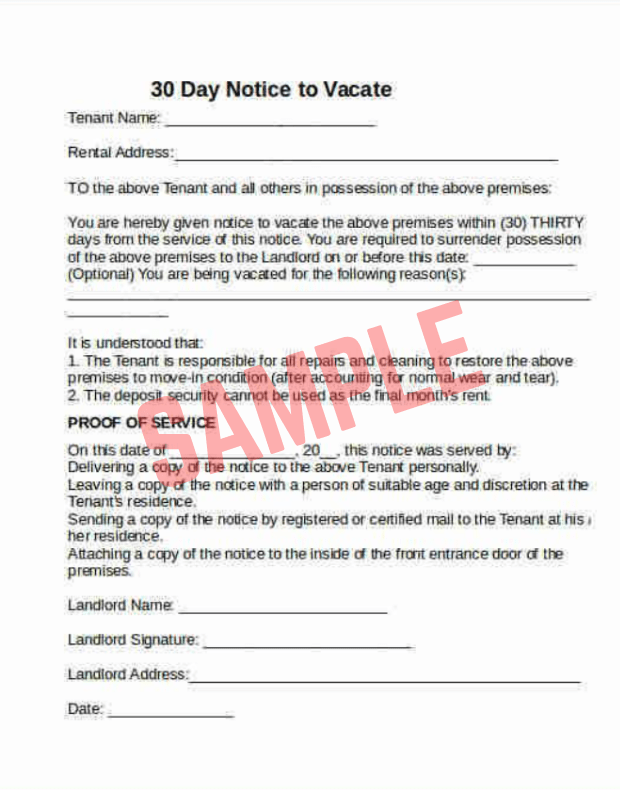
Using a structured template can simplify the process of drafting your official notice. Below is a sample 20 day notice to landlord template that you can customize with your specific details. Remember to fill in the bracketed information accurately.
[Your Name]
[Your Current Address, Apartment # (if applicable)]
[Your City, State, Zip Code]
[Your Phone Number]
[Your Email Address]

[Date]

[Landlord's Name or Property Management Company Name]
[Landlord's Address]
[Landlord's City, State, Zip Code]

Subject: 20-Day Notice of Intent to Vacate - [Your Current Address, Apartment # (if applicable)]

Dear [Landlord's Name or Property Management Company Name],

Please accept this letter as my formal 20-day notice of my intent to vacate the property located at [Your Current Address, Apartment # (if applicable)], which I currently occupy under our lease agreement. My tenancy will officially terminate on [Specific Move-Out Date - e.g., Month Day, Year], as this date marks the end of my notice period, in accordance with our rental agreement and local regulations.

I plan to fully vacate the premises and return possession of the property, along with all keys, on or before [Specific Move-Out Date]. I will ensure the property is left in a clean and undamaged condition, reasonable wear and tear excepted, as outlined in our lease agreement.

I would appreciate it if you could contact me at your earliest convenience to schedule a final walk-through inspection of the property. This will allow us to mutually assess the condition of the unit before I officially depart.

Please forward my security deposit, along with any other correspondence, to my new mailing address:

[Your New Forwarding Address]
[Your New City, State, Zip Code]

Thank you for your understanding and assistance throughout my tenancy. I look forward to a smooth transition.

Sincerely,

[Your Signature]

[Your Printed Name]
This template provides a clear framework for your communication. Ensure all dates are calculated correctly based on your lease and local laws, and always keep a copy of the signed and dated notice for your personal records.
Providing your landlord with a proper 20 day notice to landlord template is a critical step in ending your tenancy cleanly and without complications. It safeguards your rights, helps ensure the return of your security deposit, and fosters a positive relationship with your landlord even as you move on. By understanding your lease, adhering to legal requirements, and using a well-structured notice, you can navigate your move-out with confidence and peace of mind.
Remember to act proactively; never wait until the last minute to send your formal notice. A timely and accurate notice protects you financially and legally, paving the way for a smooth transition to your next home. Take the time to prepare your document carefully, deliver it correctly, and keep meticulous records of all correspondence related to your move.