Navigating a new job can be exciting, but sometimes, a role might not be the right fit, even during the initial probationary period. When you decide to move on, tendering your resignation professionally is crucial, regardless of how long you’ve been with the company. Understanding the proper protocol and having the right tools, like a comprehensive probationary period notice resignation template, can make this process smooth and stress-free.

This article will guide you through the intricacies of resigning during your probation, explain common notice period requirements, and provide you with a meticulously crafted probationary period notice resignation template to ensure your departure is handled with utmost professionalism and respect. We’ll cover everything from drafting your letter to understanding your contractual obligations, empowering you to make a graceful exit.
Crafting Your Resignation Letter During Probation
Even when you’re still within a probationary period, a formal resignation letter is an essential document. It serves as an official record of your departure and helps maintain a professional relationship with your employer, which can be valuable for future references. While the notice period during probation is often shorter than for permanent employees, adherence to company policy and contractual terms is paramount.
Your employment contract or company handbook will typically outline the specific notice period required when resigning on probation. This might be a week, a few days, or sometimes even immediately, depending on the role and jurisdiction. Failing to provide adequate notice can sometimes lead to complications, so always review your terms carefully before submitting your resignation.
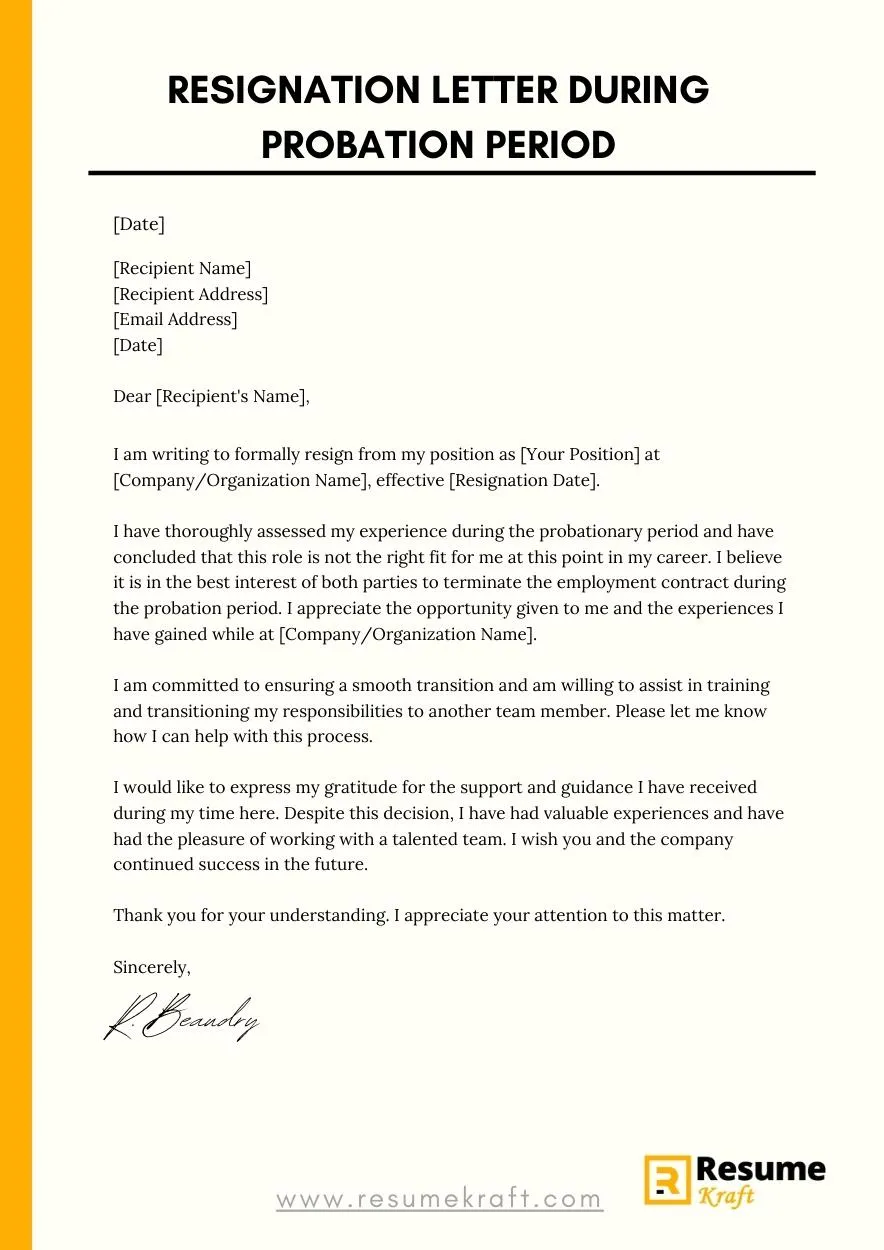
A well-structured probationary period notice resignation template ensures you include all necessary information without unnecessary details. Focus on clarity, brevity, and professionalism. Here are the key elements to include in your letter:
- Your Name and Contact Information
- Date of Writing the Letter
- Recipient’s Name (usually your manager or HR department) and Title
- Company Name and Address
- Clear Statement of Resignation
- Your Last Day of Employment
- Brief Expression of Gratitude (optional, but recommended)
- Offer to Assist with Handover
- Professional Closing and Your Signature

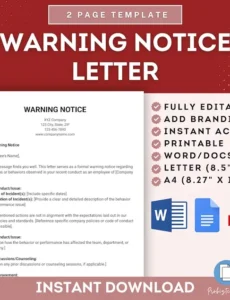
Here is a sample probationary period notice resignation template that you can adapt for your specific situation. Remember to replace the bracketed information with your personal details.
[Your Name]
[Your Address]
[Your Phone Number]
[Your Email]

[Date]

[Hiring Manager Name/HR Department]
[Hiring Manager Title]
[Company Name]
[Company Address]

Subject: Resignation - [Your Name]

Dear [Mr./Ms./Mx. Last Name of Manager or HR],

Please accept this letter as formal notification that I am resigning from my position as [Your Position] at [Company Name]. My last day of employment will be [Your Last Day of Employment, e.g., two weeks from today's date or per your contractual notice period], in accordance with my probationary period terms.

I appreciate the opportunity to have worked at [Company Name]. I have gained valuable experience during my time here.

I am committed to ensuring a smooth transition during my remaining time. Please let me know how I can best assist with the handover of my responsibilities to ensure minimal disruption to the team and operations.

I wish you and [Company Name] all the best in the future.

Sincerely,
[Your Signature (if submitting a hard copy)]
[Your Typed Name]
When using this probationary period notice resignation template, focus on maintaining a positive and respectful tone. Avoid including specific reasons for your departure unless you are comfortable sharing them and it’s absolutely necessary. Your primary goal is to formally communicate your resignation and confirm your last day of work.
Key Considerations When Resigning on Probation
Resigning during probation can feel daunting, but being informed and prepared makes a significant difference. One crucial aspect is understanding the impact on your professional reputation. While it’s perfectly acceptable to leave a role that isn’t suitable, always strive for a graceful exit to maintain positive relationships and potential future references.
Your employment contract is the definitive source for understanding your notice period and any other terms related to resigning on probation. Some contracts may stipulate a shorter notice period during probation, while others might align with the standard notice for permanent employees. Always check this before finalizing your resignation date.
Effective handover is another critical consideration. Even if your tenure is brief, there may be ongoing tasks or projects that require attention. Offering to document your work, organize files, or brief a colleague can significantly ease the transition for your employer and leave a lasting positive impression. This demonstrates responsibility and professionalism.
- Review Your Contract: Double-check your employment agreement for the specific notice period during probation.
- Inform Your Manager First: Whenever possible, communicate your resignation to your direct manager verbally before submitting the formal letter.
- Maintain Professionalism: Continue to perform your duties to the best of your ability until your last day.
- Prepare for Questions: Be ready to briefly explain your decision without becoming defensive or overly negative.
- Collect Personal Items: Ensure you gather all personal belongings and return company property before your departure.
Taking these steps helps ensure that your departure, even during your probationary period, is handled with professionalism and respect for all parties involved. A well-managed exit can preserve valuable professional connections and ensure your career trajectory remains positive.
Making the decision to resign during a probationary period is often a thoughtful one, and doing so professionally is paramount. Utilizing a well-structured probationary period notice resignation template ensures clarity and adherence to proper protocols. By focusing on professionalism, understanding your contractual obligations, and offering a smooth handover, you set yourself up for future success, regardless of the role’s duration.
Remember, your career journey is continuous, and each step, including gracefully exiting a role, contributes to your professional narrative. Empower yourself with the right tools and approach, like the template and advice provided, to navigate these transitions with confidence. We wish you the very best in finding a role that truly aligns with your aspirations and skills.