Deciding to leave a job is a significant career step, and how you manage your departure can leave a lasting impression. While a standard two-week notice is common, there are many situations where providing an extended notice period is not only beneficial but also highly professional. Crafting an effective extended notice resignation letter template ensures a smooth transition for both you and your employer, protecting your professional reputation.

This comprehensive guide will walk you through the nuances of giving longer notice, offer a customizable template, and explain why such a thoughtful approach can significantly benefit your career trajectory. Understanding the elements of a well-written letter for an extended notice period is crucial for a graceful exit.
Why Offer More Than a Standard Resignation Notice?
Providing a notice period longer than the typical two weeks demonstrates exceptional professionalism and consideration for your employer. It offers your company ample time to manage your departure effectively, minimizing disruption to ongoing projects and team operations. This extra time allows for a more thorough handover process, reducing stress for your colleagues and management.
There are several compelling reasons to consider giving an extended notice. If you hold a senior position, manage complex projects, or possess specialized knowledge, a longer transition period is often essential. It ensures that critical tasks are not left hanging and that your replacement, once found, has sufficient time to be onboarded and trained properly. This commitment to a seamless transition can also strengthen your professional network.
Furthermore, giving ample notice reflects positively on your character and work ethic. Future employers might inquire about your previous departures, and showcasing a track record of considerate transitions can only enhance your reputation. It’s an act of good faith that fosters goodwill, which can be invaluable for references or potential future collaborations.
Benefits of an Extended Resignation Period
The advantages of providing a longer notice period extend to both you and your current employer. For the company, it facilitates better planning and resource allocation. They can begin the recruitment process earlier, diminishing the urgency and increasing the likelihood of finding a suitable replacement without rushing.
For you, it offers peace of mind knowing you’ve acted responsibly and respectfully. You’ll have more time to tie up loose ends, document your processes, and train colleagues or your successor. This structured departure can also reduce stress for you, allowing you to focus on a successful handover rather than a hurried exit. Moreover, it strengthens your professional network, potentially leading to future opportunities or positive recommendations.
- Allows for thorough project handover and documentation.
- Gives the employer more time to find and train a replacement.
- Minimizes disruption to team workflow and ongoing operations.
- Enhances your professional reputation and strengthens networking opportunities.
- Reduces stress for you and your colleagues during the transition.
- Potentially leads to positive references for future career endeavors.
Crafting Your Extended Notice Resignation Letter Template
When preparing your extended notice resignation letter template, clarity, professionalism, and conciseness are paramount. The letter should clearly state your intention to resign, your last day of employment, and express gratitude for the opportunity. Avoid emotional language or negativity; keep the tone positive and constructive.
Begin by stating your resignation and specifying your final date of employment, which should reflect your extended notice period. Offer your assistance during the transition phase, whether it’s helping train a successor or documenting procedures. Conclude by thanking them for the opportunities and wishing the company continued success. A well-structured letter will leave a lasting positive impression.
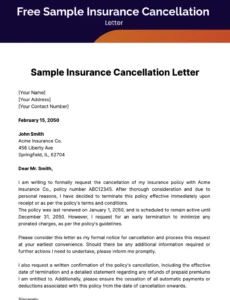
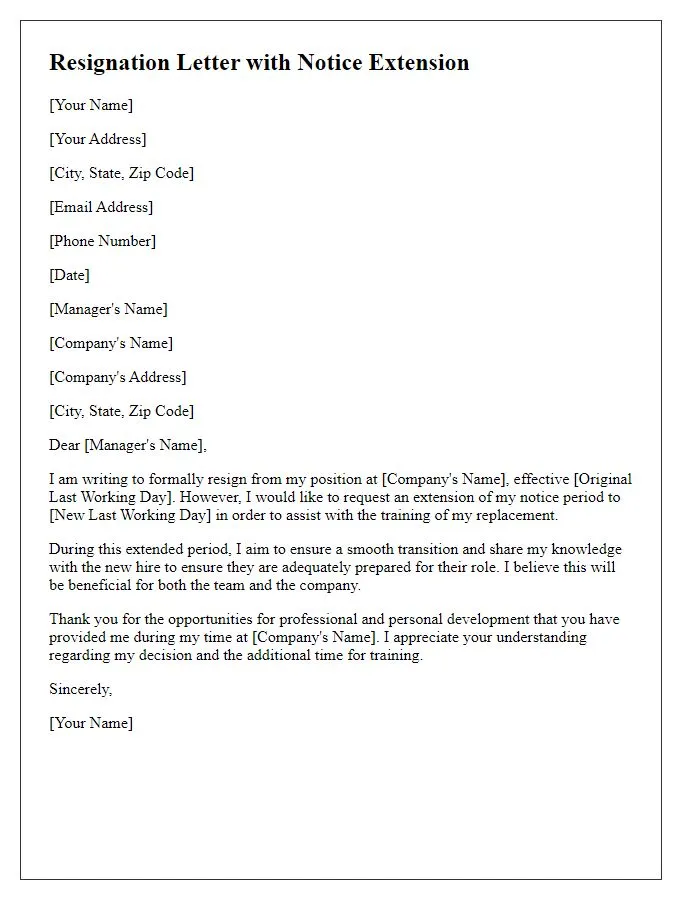
Here is a sample extended notice resignation letter template that you can adapt to your specific situation:
[Your Name]
[Your Address]
[Your Phone Number]
[Your Email]

[Date]

[Hiring Manager Name] (or HR Department)
[Company Name]
[Company Address]

Dear [Mr./Ms./Mx. Last Name],

Please accept this letter as formal notification that I am resigning from my position as [Your Position] at [Company Name]. My last day of employment will be [Your Last Day – e.g., three or four weeks from today's date, or a specific date further out], providing [Number] weeks of notice.

I understand that this is a longer notice period than typically required, and I hope this additional time will allow for a smooth transition of my responsibilities. I am committed to assisting in any way I can during this period to ensure all my projects are completed or handed over effectively. This includes training my replacement and documenting my current duties.

I am grateful for the opportunities I have been given during my time at [Company Name], particularly [mention one or two positive experiences or skills gained, e.g., "the chance to lead the [Project Name] project" or "the professional development in [Skill Area]"]. I have valued my time working with the team and appreciate the support I’ve received.

I wish [Company Name] continued success in the future.

Sincerely,

[Your Signature (if sending a hard copy)]

[Your Typed Name]
Remember to customize the bracketed information to fit your personal details and company specifics. Always proofread your letter carefully before sending it. Handing in a well-prepared letter for an extended notice period is a professional courtesy that reflects highly on your character and dedication.
Leaving a job with an extended notice period is a powerful way to solidify your professional reputation. It underscores your commitment to your work and your colleagues, ensuring a respectful and orderly departure. By utilizing a clear and comprehensive resignation letter template, you set the stage for a positive transition for everyone involved.
Taking the extra step to provide thoughtful notice not only aids your former employer but also strengthens your professional standing in the long run. It’s an investment in your career that demonstrates maturity, integrity, and consideration, qualities highly valued in any industry.