Navigating the complexities of housing law can be challenging, especially when dealing with different types of occupancy agreements. Many landlords and residents often find themselves in a unique situation known as an “excluded occupier” arrangement. Understanding your rights and obligations, particularly when it comes to ending such an agreement, is crucial for a smooth transition for all parties involved.
This comprehensive guide aims to demystify the process, providing clarity on what an excluded occupier is and why a properly formatted excluded occupier notice to quit template is essential. We will explore the legal framework surrounding these arrangements and offer a practical template to help you confidently manage the termination process. By the end, you’ll have a clear understanding of how to give or receive appropriate notice, ensuring compliance and fairness.
Understanding Excluded Occupancy and Notice Requirements
An excluded occupier typically refers to someone who shares living space with their landlord and doesn’t have exclusive possession of any part of the property. This arrangement often applies to lodgers living in the same house as the homeowner or those under specific types of holiday lets. Crucially, excluded occupiers have fewer legal rights compared to assured shorthold tenants, meaning the eviction process is generally simpler and quicker.
For instance, if you are a lodger, your landlord does not need to get a court order to evict you. This significantly differs from tenants who enjoy stronger protections under housing laws, requiring landlords to follow strict procedures, such as serving Section 21 or Section 8 notices. Knowing this distinction is vital for both landlords seeking to regain possession and lodgers needing to understand their rights.
When it comes to ending an excluded occupier agreement, the law usually requires only “reasonable notice.” What constitutes reasonable notice can depend on the specifics of your agreement, but it often aligns with the rent payment period. For example, if rent is paid monthly, then one month’s notice is typically considered reasonable. It’s always best to have this agreed upon in writing at the start of the arrangement.
Serving an excluded occupier notice to quit template ensures that this notice is formal, clear, and undisputed. While there isn’t a prescribed legal form like for statutory tenancies, a well-structured notice protects both the landlord and the excluded occupier. It provides a definitive end date, minimizes misunderstandings, and establishes a clear record of communication.
The purpose of such a notice is to formally inform the excluded occupier of the landlord’s intention to end their occupancy. Similarly, an excluded occupier can use a similar notice to inform the landlord of their intention to vacate the property. This mutual clarity helps prevent disputes and encourages a smooth transition for everyone involved. Without a clear notice, either party could face uncertainty regarding the end of the arrangement.
Sample Excluded Occupier Notice To Quit Template
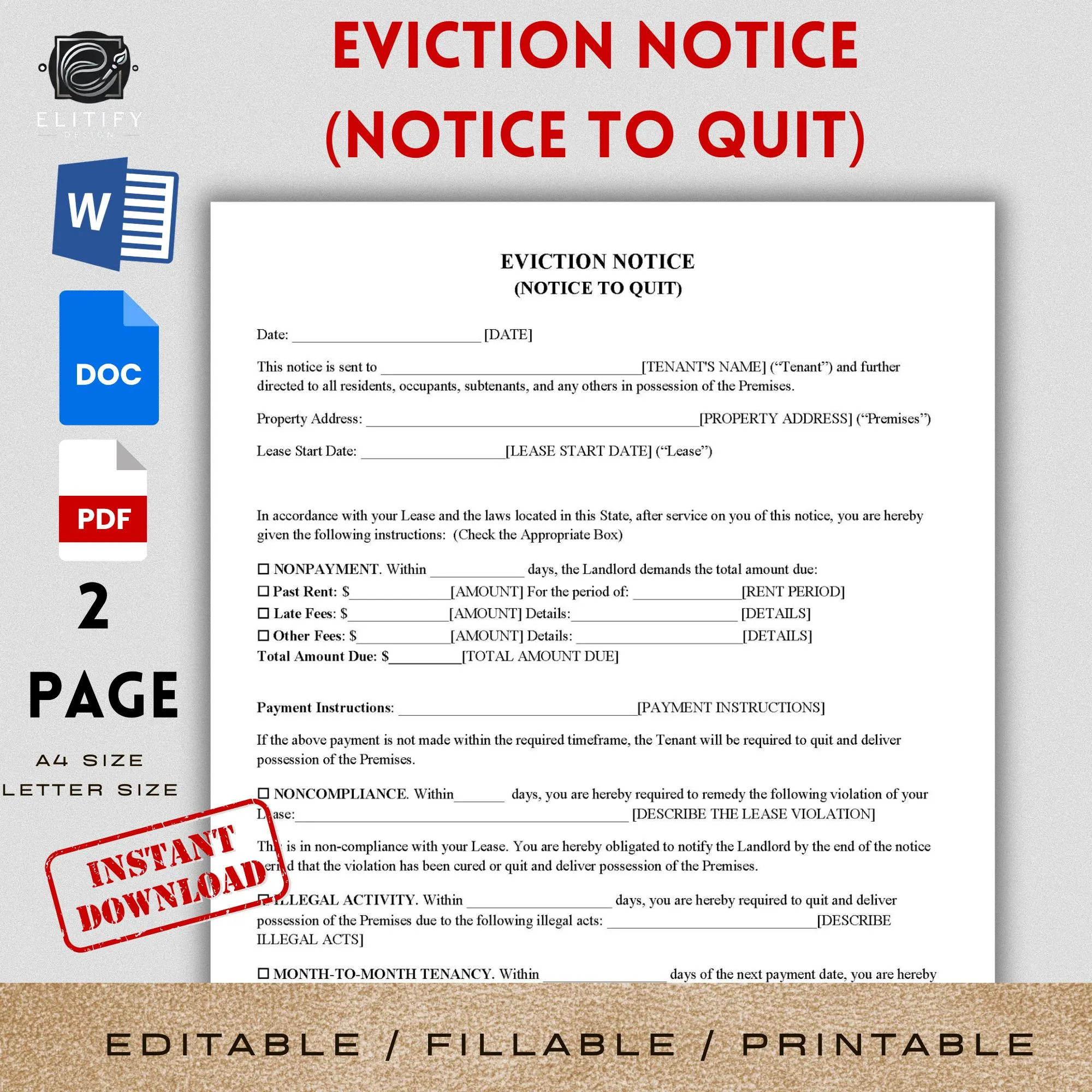
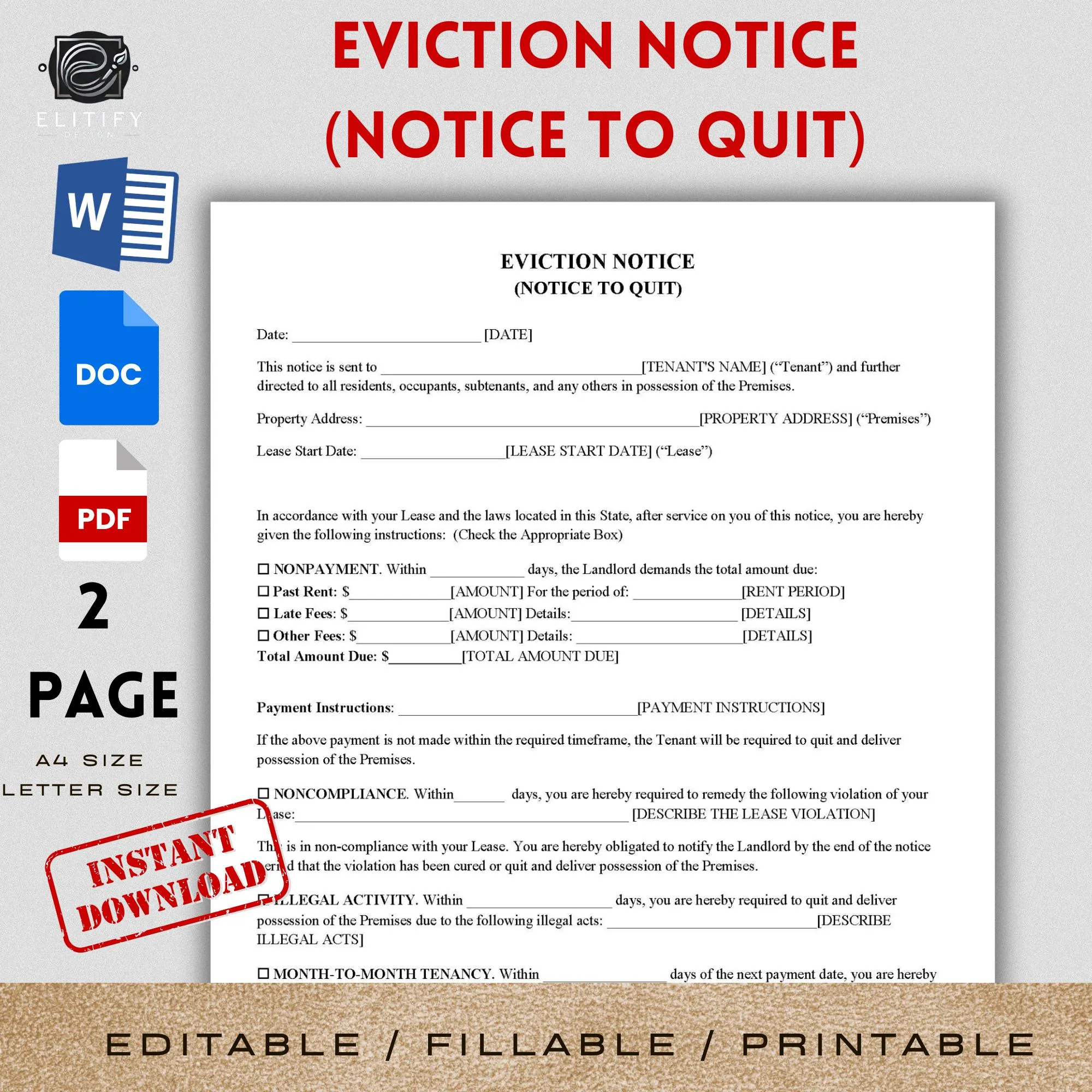
Creating an effective notice doesn’t need to be complicated. A good excluded occupier notice to quit template includes key information that clearly states the intention to end the occupancy. It should be precise, detailing the parties involved, the property address, and the exact date the occupancy will end. Always ensure all details are accurate to avoid any legal ambiguities.
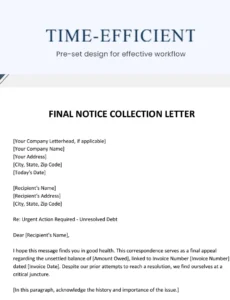
Below is a sample template you can adapt for your specific situation. Remember to fill in the bracketed information with your own details. It is always a good practice to deliver this notice in person and also send a copy via recorded delivery to ensure proof of postage and receipt. This dual approach provides a robust record should any issues arise.
[Your Name/Landlord's Name]
[Your Address/Landlord's Address]
[Your City, Postcode]
[Your Phone Number]
[Your Email Address]

[Date]

[Excluded Occupier's Name]
[Address of Occupancy - e.g., Your Home Address]
[City, Postcode]

Subject: Notice to Quit Occupancy

Dear [Excluded Occupier's Name],

This letter serves as formal notice that your permission to occupy the room/property located at [Address of Occupancy] will be terminated.

The effective date for your occupancy to end is [Date - e.g., 30 days from now, or aligned with rent period]. You must vacate the property completely by this date.

This notice is issued in accordance with our agreement dated [Date of original agreement, if any]. Please ensure all your personal belongings are removed from the premises by the termination date.

We kindly request that you leave the room/property in a clean and tidy condition, as it was at the commencement of your occupancy. Please arrange to return all keys to [Your Name/Landlord's Name] on or before [Termination Date].

Should you have any questions or require clarification regarding this notice, please do not hesitate to contact me at [Your Phone Number] or [Your Email Address].

Sincerely,

[Your Signature]

[Your Printed Name]
[Landlord/Property Owner]
This template provides a clear framework for terminating an excluded occupancy. It ensures that all necessary information is conveyed in a professional and legally sound manner, adhering to the principles of reasonable notice. Using a standard format like this minimizes confusion and helps to protect the interests of both parties throughout the process.
Effectively managing an excluded occupancy agreement requires clear communication and adherence to proper procedures. Utilizing a well-structured excluded occupier notice to quit template streamlines the process, ensuring all parties are aware of their responsibilities and timelines. This approach helps maintain good relations and provides a clear path forward when it’s time to end the living arrangement.
By taking the time to prepare and serve a proper notice, you safeguard against potential disputes and facilitate a smooth transition. Always prioritize clear, written communication, and keep copies of all correspondence for your records. This diligence not only helps you navigate current situations but also sets a precedent for future agreements.